You Won’t Believe What I Found in La Paz—Nature’s Hidden Playground
Tucked high in the Andes, La Paz isn’t just a city—it’s a gateway to surreal landscapes most travelers never see. I went searching for adventure and stumbled upon jaw-dropping terrain that feels like another planet. From salt flats to rainbow mountains, the region’s geological wonders are real and reachable. This is not just sightseeing—it’s discovering Earth’s raw, untamed artistry, one breathtaking step at a time. At elevations where clouds drift below rooftops and ancient cultures still shape daily life, La Paz offers more than urban energy. It opens a door to nature’s most dramatic creations, quietly waiting in the thin mountain air.
Arrival in La Paz: First Impressions Above the Clouds
Touching down at El Alto International Airport, one of the highest commercial airports in the world, brings an immediate reminder of La Paz’s extreme geography. Sitting at over 4,000 meters (13,000 feet) above sea level, the air is noticeably thinner, and first-time visitors often feel a shortness of breath or a light-headed dizziness. The descent into the city reveals a sprawling metropolis carved into deep canyons and steep slopes, where colorful homes cling to hillsides like tiles on a mosaic. Cable cars glide silently overhead, connecting neighborhoods across dramatic elevation changes, offering panoramic views of the urban patchwork below.
What strikes most travelers is the sheer resilience of life at this altitude. Despite low oxygen levels and chilly temperatures, La Paz pulses with energy. Markets overflow with fresh produce, handwoven textiles, and traditional foods. The rhythm of daily life moves steadily, shaped by generations of adaptation to high-altitude living. Indigenous Aymara culture remains deeply rooted here, evident in language, dress, and customs. The city’s elevation is not just a geographical detail—it’s a defining force that influences everything from architecture to cuisine to the very pace of life.
Yet beyond the bustling streets and vibrant plazas lies a quieter, wilder world. Just outside the city limits, the landscape begins to transform. The red-tiled roofs give way to barren rock formations, high-altitude plains, and distant snowcapped peaks. This transition—from urban intensity to natural serenity—sets the stage for the extraordinary journeys that await. Whether it’s a day trip to a lunar valley or a multi-day expedition to a salt-covered desert, La Paz serves as the perfect launchpad for exploring some of South America’s most otherworldly terrain.
The Salar de Uyuni: Walking on a Mirror to the Sky
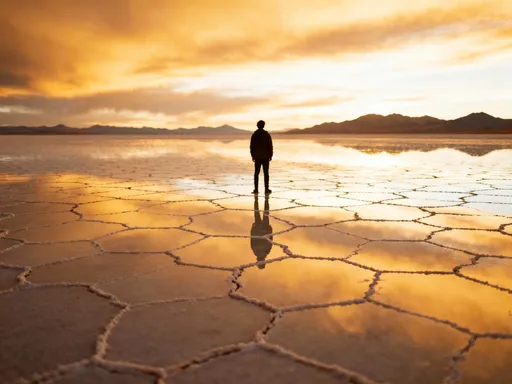
One of the most iconic natural wonders accessible from La Paz is the Salar de Uyuni, the world’s largest salt flat, stretching across more than 10,000 square kilometers in southwestern Bolivia. Reaching it typically involves a flight from La Paz to Uyuni or a longer overland journey, but the effort is rewarded with a landscape so vast and surreal that it defies description. During the dry season, the salar appears as an endless expanse of white, cracked like a giant ceramic plate, shimmering under the intense Andean sun. But in the rainy months—from December to March—the true magic unfolds.
When a thin layer of water covers the flat, the Salar de Uyuni becomes a colossal natural mirror, reflecting the sky with such clarity that the horizon vanishes. Standing in the middle, it feels as though you're walking among the clouds, suspended between earth and heaven. Photographers flock here for the “infinite sky” effect, where bodies appear to float in midair. The visual illusion is powerful, disorienting, and deeply moving—a reminder of nature’s ability to blur reality and imagination.
The salar’s formation dates back to the Pleistocene era, when prehistoric lakes evaporated, leaving behind a thick crust of salt and minerals. Beneath the surface lies one of the world’s largest lithium reserves, making the region not only geologically significant but economically vital. Local communities harvest salt for traditional use, shaping it into bricks and crafting handmade souvenirs. While tourism has grown, efforts are underway to ensure that economic benefits reach these indigenous families while minimizing environmental impact.
Travelers walking across the salar describe a sense of quiet awe. The silence is profound, broken only by the crunch of salt crystals underfoot. The sun beats down fiercely, unfiltered by pollution or cloud cover, while sudden weather shifts can bring cold winds or unexpected showers. It’s a place of contrasts—harsh yet beautiful, remote yet increasingly accessible. For those seeking a true connection with Earth’s elemental forces, the Salar de Uyuni delivers an experience unlike any other.
Valle de la Luna: Otherworldly Sculptures Just Outside the City
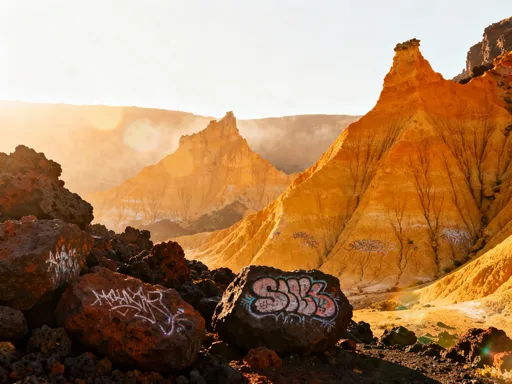
Just a short drive from downtown La Paz lies a landscape that feels galaxies away—Valle de la Luna, or the Valley of the Moon. This eroded clay formation, sculpted by wind and water over millions of years, features towering spires, deep gullies, and jagged ridges that resemble a Martian surface. Once part of an ancient inland sea, the area was gradually transformed by tectonic shifts and climatic changes, leaving behind a labyrinth of mineral-rich rock formations in shades of red, gray, and ochre.
Today, the valley is a protected geological park and a popular destination for both locals and tourists. Well-maintained trails allow visitors to explore different viewpoints, each offering a new perspective on the surreal terrain. Some formations are said to resemble animals or mythical creatures, sparking the imagination. At sunset, the lighting transforms the valley into a painter’s dream, with shadows stretching across the canyons and warm hues glowing against the cooling sky. It’s a favorite spot for photography, meditation, and quiet reflection.
For the Aymara people, the valley holds spiritual significance. They believe the formations are sacred, shaped by ancestral forces and imbued with protective energy. Offerings such as coca leaves or small woven items are sometimes left at certain sites as signs of respect. Visitors are encouraged to observe quietly, stay on marked paths, and avoid removing rocks or disturbing the natural balance.
What makes Valle de la Luna especially appealing is its accessibility. Unlike remote expeditions that require days of travel, this site can be visited in just a few hours, making it ideal for families, casual hikers, or those acclimating to the altitude. It offers a taste of Bolivia’s geological drama without demanding extreme physical endurance. Yet even in its proximity to the city, it retains a sense of mystery and stillness—a place where time slows and nature speaks in whispers.
The Rainbow Mountain (Montaña de Siete Colores): Nature’s Palette on Display
Farther south, near the historic mining town of Potosí, another geological marvel awaits—the Rainbow Mountain, locally known as Montaña de Siete Colores. While not as widely known as Peru’s Vinicunca, Bolivia’s version offers equally stunning visuals and a more intimate experience. The mountain’s vibrant stripes—ranging from deep reds and burnt oranges to electric greens and purples—are the result of mineral oxidation over millions of years. Layers of iron, magnesium, copper, and sulfur have created a natural canvas that looks almost artificial in its brilliance.
The colors were long hidden beneath glacial ice, but recent melting has exposed them in dramatic fashion. While this reveals breathtaking beauty, it also serves as a sobering indicator of climate change. Glaciers that once capped the Andes are receding at an accelerating rate, altering ecosystems and water supplies for communities below. The Rainbow Mountain, therefore, stands as both a wonder and a warning—a symbol of nature’s artistry and its fragility.
Reaching the site usually involves a guided tour from La Paz, combining a scenic drive through high-altitude plains with a moderate to challenging hike. The trail ascends steadily, testing even acclimated travelers with its thin air and rugged terrain. But the final viewpoint delivers a reward that makes every step worthwhile. From above, the mountain unfolds like a painted scroll, its bands of color winding down the slope in perfect harmony. On clear days, the contrast between the vivid rock and the deep blue sky is almost surreal.
Tour operators emphasize responsible hiking practices: staying on designated paths, avoiding littering, and respecting local guides and customs. Many tours include stops at nearby villages, where travelers can learn about traditional farming techniques and support small artisan businesses. The journey to the Rainbow Mountain is not just about the destination—it’s about connecting with the land and the people who have lived in balance with it for centuries.
Choosing the Right Tours: Balancing Comfort and Authenticity
Exploring La Paz’s surrounding wonders requires careful planning, especially for travelers unfamiliar with high-altitude environments. One of the most important decisions is choosing the right type of tour. Group expeditions offer affordability and camaraderie, often including transportation, meals, and experienced guides. These are ideal for solo travelers or those looking to meet others while keeping costs manageable. However, larger groups may mean less flexibility in scheduling and fewer opportunities for personalized attention.
Private tours, while more expensive, provide greater comfort and customization. Families or travelers with specific needs—such as older adults or those concerned about altitude sensitivity—may benefit from a slower pace, extra rest stops, and tailored itineraries. Private guides can also offer deeper insights into local culture and geology, enhancing the educational value of the trip. Regardless of the option chosen, it’s essential to select operators with strong safety records, proper equipment, and a commitment to sustainable tourism.
Packing wisely is another key factor. Layers are crucial—temperatures can swing from freezing at dawn to warm by midday. Sun protection, including hats, sunglasses, and high-SPF sunscreen, is non-negotiable due to the intense UV exposure at high elevations. Sturdy hiking boots, a refillable water bottle, and snacks rich in carbohydrates help maintain energy on long treks. Many travelers also carry altitude sickness medication or natural remedies like coca tea, which is widely available and traditionally used to ease symptoms.
Travel insurance that covers high-altitude activities and emergency evacuation is strongly recommended. While serious incidents are rare, medical facilities in remote areas may be limited. Having coverage provides peace of mind and ensures access to care if needed. By preparing thoughtfully and choosing responsible providers, visitors can enjoy these incredible landscapes safely and respectfully.
Beyond the Landscapes: Connecting with Local Culture
The true essence of La Paz’s natural wonders lies not only in their visual splendor but in the human stories woven into them. Indigenous communities, particularly the Aymara and Quechua peoples, have lived in harmony with these extreme environments for generations. Their knowledge of the land—when to plant, how to navigate, which plants heal—is passed down orally and through practice. Travelers who take the time to engage with these cultures gain a richer, more meaningful experience.
One of the best ways to connect is through local markets. In La Paz’s Mercado de las Brujas (Witches’ Market), visitors encounter bundles of dried herbs, amulets, and ritual items used in traditional ceremonies. While some items may seem mysterious to outsiders, they represent a living spiritual tradition. Purchasing souvenirs directly from artisans supports fair wages and helps preserve craftsmanship. Similarly, community-based tourism initiatives—such as homestays or guided cultural walks—offer authentic interactions while ensuring economic benefits stay within the community.
Respect is the foundation of ethical engagement. Learning a few words in Aymara or Spanish, asking permission before taking photos, and dressing modestly in sacred areas go a long way in building trust. Many travelers report that their most memorable moments weren’t the panoramic views, but the shared laughter with a local guide or the warmth of a family offering tea after a long hike. These human connections transform a sightseeing trip into a journey of mutual understanding.
By recognizing that these landscapes are not just backdrops for photos, but homes and sacred spaces, visitors contribute to a more respectful and sustainable form of tourism. The beauty of La Paz’s terrain is amplified when seen through the eyes of those who belong to it.
Why These Discoveries Matter: Protecting Fragile Wonders
As more travelers discover the wonders near La Paz, the need for conservation grows urgent. Climate change is accelerating the retreat of Andean glaciers, threatening water sources for millions. Rising temperatures also affect fragile ecosystems, altering plant and animal life in ways that are still being studied. Meanwhile, increasing visitor numbers at popular sites like the Salar de Uyuni and Valle de la Luna put pressure on infrastructure and natural resources.
Overtourism, if left unchecked, can lead to erosion, litter, and damage to culturally significant areas. In response, local authorities and conservation groups are promoting responsible tourism practices. Visitors are encouraged to follow the principles of Leave No Trace: pack out all waste, avoid disturbing wildlife, and stay on marked trails. Some sites have implemented visitor limits or timed entry systems to reduce impact.
Supporting eco-conscious tour operators, paying entrance fees that fund preservation efforts, and participating in clean-up initiatives are practical ways travelers can help. Education also plays a role—understanding the geological and cultural significance of these places fosters a deeper sense of responsibility. When people realize they are walking on ancient lake beds or sacred ceremonial grounds, they are more likely to treat the land with care.
Ultimately, exploring La Paz’s hidden playground is about more than personal adventure. It’s an invitation to witness Earth’s creativity and to recognize our role in protecting it. These landscapes have existed for millennia, shaped by forces beyond human control. Now, they depend on human choices—whether we will admire them briefly or steward them wisely. By traveling with curiosity, respect, and intention, we ensure that future generations can stand on the salt flats, gaze at the rainbow slopes, and feel the same awe that we do today.