You Won't Believe These Hidden Architectural Gems in Plovdiv
Plovdiv isn’t just Bulgaria’s best-kept secret—it’s a living museum of architectural wonder. Wandering its cobbled streets, I was stunned by layers of history stacked like art: Roman ruins, Ottoman homes, and psychedelic Revival-era facades. This city doesn’t just preserve the past—it wears it proudly. If you’re chasing authentic beauty off the tourist trail, Plovdiv’s architectural soul will leave you breathless. Every corner reveals a new story etched in stone, wood, and paint, where centuries of cultural exchange have shaped a skyline unlike any other in Southeastern Europe. Here, history isn’t confined to textbooks; it’s alive in the curve of a balcony, the pattern of a tiled roof, and the echo of footsteps on ancient pavement.
A City Built on Layers
Plovdiv rests on seven hills, a topography that has shaped its destiny for over 8,000 years. This makes it one of the oldest continuously inhabited cities in Europe, if not the world. Each hill holds a chapter of its layered past, from prehistoric settlements to modern urban life. The most prominent of these, Nebet Tepe, serves as a powerful symbol of Plovdiv’s enduring presence. Archaeological excavations here have uncovered Thracian fortifications dating back to the 4th millennium BCE, later expanded by Romans and Byzantines. Walking through this ancient stronghold, visitors can trace stone walls that once defended entire civilizations, now standing as silent witnesses to time’s passage.
The city’s strategic location along major trade routes ensured constant cultural infusion. As empires rose and fell, Plovdiv—known in antiquity as Philippopolis—absorbed architectural influences from every ruling power. The Thracians laid the earliest foundations, but it was the Romans who transformed the city into a regional capital. Remnants of their grand urban planning are still visible today, particularly in the well-preserved Roman Forum, once the bustling heart of public life. Foundations of temples, administrative buildings, and colonnaded streets remain embedded in the modern landscape, seamlessly integrated into contemporary plazas and pedestrian zones.
What makes Plovdiv remarkable is not just the survival of these structures, but how they coexist. A Byzantine wall may support a Revival-era home; an Ottoman cistern lies beneath a 20th-century café. This vertical stratification of history offers a rare opportunity to see civilization not as a linear progression, but as a continuous dialogue between eras. Urban planners and heritage experts have worked diligently to protect this legacy. Strict preservation laws govern renovations in the historic districts, ensuring that new developments respect the city’s architectural integrity. As a result, Plovdiv maintains an authenticity that many European cities have lost to modernization.
Preservation efforts extend beyond government policy. Local communities take pride in their city’s layered identity. Neighborhood associations often collaborate with historians to restore old homes, using traditional materials and techniques. This grassroots commitment ensures that conservation isn’t merely cosmetic, but rooted in cultural memory. For travelers, this means encountering a city that feels genuinely lived-in, not curated for tourists. The past isn’t frozen here—it’s part of daily life, shaping how people live, work, and move through the city.
Old Town’s Colorful Secrets
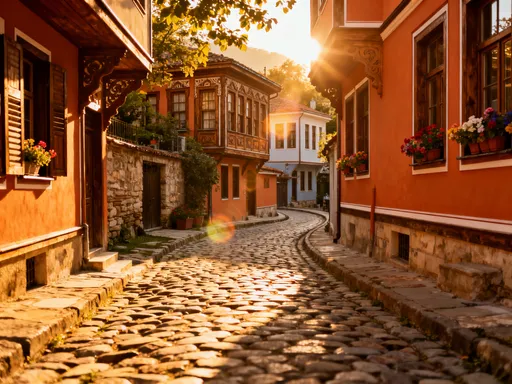
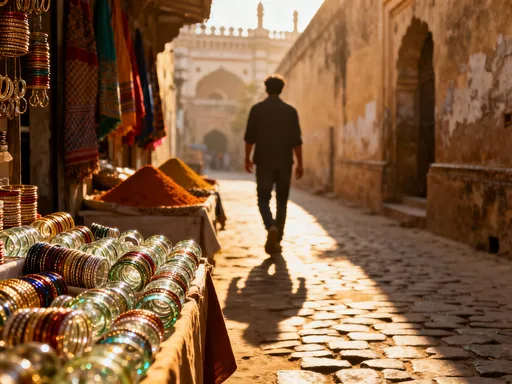
The heart of Plovdiv’s architectural charm lies in its Old Town, a maze of narrow cobblestone streets lined with 19th-century National Revival mansions. These homes, painted in soft pinks, buttery yellows, mint greens, and lavender hues, are more than just picturesque facades—they are testaments to a resilient cultural identity forged under Ottoman rule. During the Revival period (18th–19th centuries), Bulgarian merchants and artisans flourished, building elaborate houses that expressed both prosperity and national pride. Though restricted from constructing places of worship or public institutions, families invested in domestic architecture as a form of quiet resistance and self-expression.
One of the most distinctive features of these homes is the wooden overhang, or “erker,” which projects from upper floors. These bay windows served both practical and symbolic purposes. Functionally, they maximized interior space and allowed more light into rooms. Symbolically, their ornate carvings—featuring floral patterns, geometric designs, and sometimes hidden religious motifs—were a way of asserting Bulgarian artistry within the constraints of foreign rule. The craftsmanship is extraordinary, with hand-chiseled details that reflect influences from both Eastern and Western traditions.
Behind the colorful exteriors lie hidden courtyards, often centered around a stone fountain or a grapevine pergola. These private oases provided shelter from the summer heat and a space for family gatherings. Many homes were designed with separate wings for men and women, reflecting social customs of the time, though always with an emphasis on warmth and hospitality. The interiors feature high ceilings, hand-painted ceilings, and intricate parquet floors, blending comfort with elegance.
Today, many of these mansions have been restored and repurposed as boutique hotels, museums, and cultural centers. The Balabanov House, for example, now functions as a guesthouse where visitors can sleep in rooms adorned with original frescoes and antique furnishings. The Hindliyan House, once home to a wealthy merchant family, offers guided tours that reveal the daily lives of Plovdiv’s elite during the Revival era. These adaptive reuse projects ensure that the buildings remain functional while preserving their historical essence.
Walking through the Old Town feels like stepping into a living gallery of Bulgarian heritage. The air carries the scent of jasmine and freshly baked banitsa from nearby bakeries. Locals greet each other from doorways, and cats nap on sun-warmed stone steps. There’s a sense of timelessness here, where beauty isn’t performative but woven into the fabric of everyday life. For visitors, especially women traveling with family or seeking meaningful cultural experiences, Plovdiv’s Old Town offers a rare combination of aesthetic delight and emotional resonance.
Ottoman Echoes in Stone and Tile
While the National Revival houses dominate the visual narrative of Plovdiv’s Old Town, the Ottoman legacy is equally present, though often more subtle. From the 14th to the 19th century, the city was part of the Ottoman Empire, and this period left an indelible mark on its urban landscape. Unlike the flamboyant Revival homes, Ottoman architecture in Plovdiv emphasizes harmony, symmetry, and understated elegance. Surviving structures include mosques, hamams (public baths), and merchant residences, many of which have been carefully restored or integrated into modern use.
The Dzhumaya Mosque, located near the Roman Stadium, is one of the oldest buildings in Plovdiv still serving its original purpose. Built in the 15th century on the foundations of a Christian basilica, its simple stone façade and elegant minaret rise above the surrounding rooftops. Inside, the prayer hall is illuminated by soft light filtering through arched windows, creating a serene atmosphere. The mosque’s dome, supported by a square base, exemplifies classical Ottoman design, where geometry and proportion create a sense of spiritual balance. Though non-Muslim visitors are welcome to admire the exterior, respectful behavior is expected, especially during prayer times.
Another significant Ottoman structure is the Çifte Hamam, or Double Bath, one of the few surviving public bath complexes in Bulgaria. Divided into male and female sections, it once served as a social and hygienic hub for the community. The domed chambers, with their small star-shaped skylights, were designed to retain heat and humidity, creating an ideal environment for cleansing rituals. Today, the Çifte Hamam has been transformed into an exhibition space for contemporary art, allowing visitors to appreciate its architectural beauty while engaging with modern creativity. This adaptive reuse honors the past without freezing it in time.
Ottoman influence also appears in the city’s street patterns and residential layouts. The narrow, winding alleys of the Old Town reflect traditional Islamic urban planning, where privacy and shade were prioritized. Courtyard houses, common during this era, featured inward-facing designs to protect family life from public view. Even the use of decorative tiles and carved stonework shows a blend of Turkish aesthetics with local craftsmanship. These elements may not always be immediately recognizable to the casual observer, but they contribute to the city’s unique texture.
What stands out is how Ottoman architecture coexists peacefully with later styles. There is no erasure, no attempt to overwrite one culture with another. Instead, Plovdiv presents a mosaic of influences, where each layer adds depth rather than conflict. For women travelers interested in cultural history, this quiet coexistence offers a powerful message about resilience and adaptation. The city doesn’t glorify any single era; it honors them all, inviting visitors to see diversity not as division, but as strength.
Roman Grandeur That Still Stands
Among Plovdiv’s most awe-inspiring landmarks is the Ancient Theatre of Philipopolis, a remarkably well-preserved Roman amphitheater nestled into the side of one of the city’s seven hills. Built in the 2nd century CE during the reign of Emperor Trajan, this grand structure could seat up to 7,000 spectators and was used for theatrical performances, political assemblies, and public ceremonies. Today, it remains fully functional, hosting concerts, operas, and cultural festivals each summer. Sitting in the stone tiers as a violin echoes across the stage, one can almost hear the murmurs of ancient audiences, connecting present and past in a single, breathless moment.
The theatre’s design reflects the engineering brilliance of the Romans. Constructed from local limestone and marble, it follows the natural slope of the hill, ensuring excellent acoustics and unobstructed views from every seat. The stage building (skene) has been partially reconstructed, revealing the elaborate backdrop that once set the scene for performances. The surrounding colonnades and access corridors demonstrate the Romans’ mastery of urban planning and public infrastructure. Unlike many ancient ruins, this is not a static monument—it is a living venue, where history is not just remembered, but reenacted.
Not far from the theatre lies another Roman marvel: the Stadium of Philippopolis, hidden beneath the main pedestrian street in the city center. Originally built in the 2nd century CE, it was nearly forgotten until excavations in the 20th century revealed its full scale. Now partially exposed, visitors can walk along the ancient track, imagining chariot races and athletic competitions that once drew roaring crowds. Informational panels explain the stadium’s layout and historical significance, making it an engaging stop for families and history enthusiasts alike.
These Roman sites are not isolated attractions; they are integrated into daily life. Locals jog along the stadium’s edges, children play near the theatre steps, and couples picnic on the grassy slopes. This seamless blending of ancient and modern is what makes Plovdiv so special. Unlike cities where ruins are cordoned off or displayed in museums, here they are part of the urban rhythm. For middle-aged women seeking travel experiences that combine beauty, history, and authenticity, these sites offer a profound sense of continuity—a reminder that great civilizations are built not just on monuments, but on the enduring spirit of their people.
Guided tours of the Roman sites are widely available and highly recommended, especially for those unfamiliar with ancient history. Knowledgeable local guides bring the past to life with stories of emperors, actors, and everyday citizens who once walked these same paths. Audio guides in multiple languages ensure accessibility for international visitors. The best time to visit is late afternoon, when the sun casts a golden glow on the stone and the crowds begin to thin. Whether attending a performance or simply sitting in quiet reflection, the Roman heritage of Plovdiv offers a deeply moving encounter with the past.
Art Nouveau & Austro-Hungarian Flair
While Plovdiv is often celebrated for its ancient and Revival-era architecture, a lesser-known but equally captivating influence comes from Central Europe. In the late 19th and early 20th centuries, as Bulgaria emerged as an independent nation, Plovdiv became a hub of diplomatic and commercial exchange with Austria-Hungary, Germany, and France. This period saw the construction of elegant buildings featuring Secessionist (the Central European version of Art Nouveau), Neo-Renaissance, and Neoclassical elements. These structures, primarily located in the city’s central business district, contrast beautifully with the older, more rustic styles of the Old Town.
One of the finest examples is the former Austro-Hungarian Consulate, a stately building adorned with floral stucco reliefs, wrought-iron balconies, and symmetrical façades. Its cream-colored walls and refined details evoke the elegance of Vienna or Budapest, yet it fits seamlessly into Plovdiv’s eclectic streetscape. Similarly, the City Art Gallery, housed in a former bank building, features grand windows, sculpted cornices, and an opulent interior staircase that speaks to the prosperity of the era. These buildings were symbols of modernity and cosmopolitanism, reflecting Plovdiv’s aspirations as a forward-looking European city.
The influence of Central European design extended beyond public buildings to private residences and commercial spaces. Cafés with large glass windows, pastel-colored facades, and ornamental ironwork began to appear, offering new social spaces for the city’s growing middle class. These establishments fostered intellectual exchange and cultural innovation, becoming gathering places for writers, artists, and merchants. Today, many of these buildings have been restored and repurposed as boutique shops, design studios, and specialty coffee houses, continuing their role as centers of urban life.
What makes this architectural layer particularly meaningful is its timing. After centuries of foreign rule, the emergence of European-style buildings coincided with Bulgaria’s national reawakening. They represented not just aesthetic preference, but a deliberate alignment with Western ideals of progress, education, and civic engagement. For women of the time, these spaces often became venues for cultural participation, whether attending lectures, exhibitions, or musical recitals. In this way, architecture became a quiet enabler of social change.
Walking through this part of the city feels like stepping into a different dimension of Plovdiv—one that is sophisticated, orderly, and deeply connected to broader European currents. Yet it never feels out of place. The city absorbs every influence and makes it its own. For travelers who appreciate subtlety and refinement, these Art Nouveau and Austro-Hungarian gems offer a quieter, more contemplative kind of beauty compared to the vibrant chaos of the Old Town.
Street Art Meets Ancient Walls
In recent years, Plovdiv has embraced contemporary culture without compromising its historical soul. Nowhere is this more evident than in the Kapana District, a revitalized neighborhood whose name means “trap”—a reference to its maze-like streets that once “captured” visitors in its charm. Once a neglected industrial zone, Kapana has been transformed into a creative hub, home to art galleries, design studios, independent boutiques, and trendy cafés. What makes it extraordinary is how modern creativity interacts with ancient architecture.
Murals cover the walls of centuries-old buildings, their bold colors and dynamic compositions contrasting with the weathered stone and wooden beams. One wall might feature a lifelike portrait of a local artisan, another an abstract interpretation of Thracian mythology. These artworks are not graffiti; they are commissioned pieces created by Bulgarian and international artists during annual street art festivals. The city actively supports this movement, recognizing that art can be a powerful tool for urban renewal and community engagement.
Behind the murals, the buildings themselves have undergone thoughtful restoration. Old factories and workshops have been converted into multi-use spaces, where people gather for exhibitions, live music, and craft markets. The adaptive reuse of these structures ensures that they remain functional and economically viable, preventing decay and abandonment. At the same time, preservation standards are maintained—original windows, doors, and structural elements are carefully retained, ensuring that the buildings’ historical character is not lost.
Kapana is especially appealing to women travelers who value creativity, authenticity, and local connection. It’s a place where you can sip organic herbal tea in a courtyard café, browse handmade jewelry at a weekend market, or attend a poetry reading in a converted printing house. The atmosphere is relaxed, inclusive, and deeply human. Children play in the alleys, artists sketch in notebooks, and neighbors chat over coffee. There’s a sense of community that feels rare in modern cities.
Importantly, the street art movement in Plovdiv does not disrespect the past; it dialogues with it. A mural might depict a Roman gladiator next to a modern dancer, or a Revival-era housewife alongside a young female entrepreneur. These visual narratives celebrate continuity and change, reminding viewers that culture is not static, but constantly evolving. For families and solo travelers alike, Kapana offers a joyful, inspiring glimpse into how history and modernity can coexist in harmony.
Why Plovdiv’s Architecture Matters Today
Plovdiv’s built environment is more than a collection of beautiful buildings—it is a testament to resilience, adaptation, and cultural coexistence. In a world where cities increasingly look alike, shaped by globalized architecture and commercial uniformity, Plovdiv stands as a defiant example of urban authenticity. Its streets tell a story of survival, where Thracian, Roman, Byzantine, Ottoman, and European influences have not erased one another, but layered together to form something uniquely rich. This architectural diversity is not accidental; it reflects a deeper ethos of tolerance and continuity that continues to shape the city’s identity.
For women travelers, particularly those in the 30–55 age range who value meaningful, enriching experiences, Plovdiv offers something rare: a destination that is both beautiful and deeply human. It is a city where you can wander for hours without feeling rushed, where every turn reveals a new surprise, and where locals welcome visitors with genuine warmth. The pace of life is unhurried, the atmosphere safe and family-friendly, and the cultural offerings both profound and accessible.
Practical considerations make Plovdiv an ideal destination. The best times to visit are spring (April to June) and early autumn (September to October), when the weather is mild and the crowds are manageable. A comfortable pair of walking shoes is essential—the city is best explored on foot, especially the hilly Old Town. Guided walking tours, available in English and other languages, provide valuable context and are particularly helpful for understanding the historical layers. Many tours focus on architecture, women’s history, or culinary traditions, offering tailored experiences for different interests.
When photographing private homes, especially in the Old Town, it’s important to be respectful. While exterior shots are generally acceptable, always ask permission before entering courtyards or photographing residents. Many homeowners take pride in their properties and may be happy to share stories if approached politely. Additionally, supporting local businesses—whether buying handmade crafts, dining at family-run restaurants, or staying in boutique guesthouses—helps sustain the community and preserves the city’s unique character.
Plovdiv’s architecture matters because it reminds us that cities are not just places to live, but stories to be read. Each building, each street, each tile holds a fragment of memory, a whisper from the past. To walk through Plovdiv is to engage in a quiet conversation with history, not as a distant observer, but as a participant. It is a city that invites reflection, connection, and wonder—qualities that resonate deeply with those seeking travel that nourishes the soul.
Plovdiv’s buildings are more than bricks and mortar—they’re voices from the past, speaking in colors, curves, and columns. In a world of cookie-cutter cities, Plovdiv stands defiantly unique. To walk its streets is to witness history not as a lesson, but as a living, breathing experience. Go see it before the crowds catch on.